Introduction
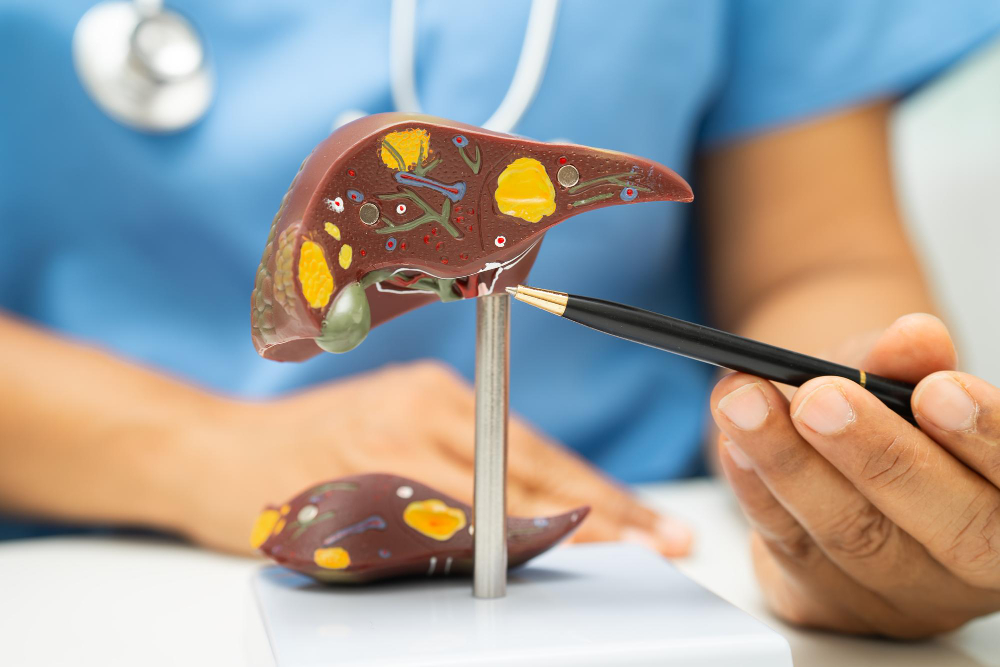
Steatosis, also called fatty liver, means extra fat builds up in the liver. Cirrhosis is a late-stage liver disease where healthy tissue turns into scar tissue. Both conditions are linked, and one can lead to the other. Early detection of steatosis and cirrhosis is important because it helps prevent serious liver damage. When you catch liver disease early, you have more treatment options and a better chance to stay healthy. Understanding the signs and risks can help you protect your liver and avoid complications.
What is Steatosis?
Steatosis happens when fat collects in liver cells. This condition is often called fatty liver disease. It can be caused by many factors, but not everyone with steatosis will feel sick. However, it can get worse over time.
For example, if you have a family history of liver problems, your risk may be higher. But even without symptoms, fatty liver can still harm your health.
Progression from Steatosis to Cirrhosis
Over time, steatosis can lead to more serious liver problems. If the fat in the liver causes swelling or damage, it may progress to a condition called steatohepatitis. This can then cause scarring, known as fibrosis. If the scarring gets worse, it can turn into cirrhosis.
Because this process can take years, early detection is key. With early care, you can slow or even stop the damage.
Symptoms and Warning Signs
Many people with fatty liver or early cirrhosis do not notice any symptoms. Still, as the disease gets worse, signs may appear. Early symptoms can be mild, but late-stage symptoms are more serious.
If you notice these symptoms, see your doctor as soon as possible. Early action can make a big difference.
Diagnosis and Screening Methods
Doctors use several tests to check for fatty liver and cirrhosis. Early screening helps find problems before they get worse.
Because these tests are simple and safe, regular screening is a good idea if you have risk factors.
Treatment Options and Lifestyle Changes
There is no single cure for fatty liver or cirrhosis, but many treatments can help. Most plans focus on stopping or slowing liver damage.
For some people, treating diabetes or high cholesterol also helps the liver. With the right steps, you can often improve your liver health.
Prevention and Early Detection Tips
Preventing liver disease is easier than treating it. Simple changes can lower your risk and help catch problems early.
Because early detection saves lives, do not ignore warning signs or skip health visits.
The Importance of Early Detection
Early detection of steatosis and cirrhosis can change your future. When liver disease is found early, you have more choices for treatment. You can avoid serious problems like liver failure or cancer. In fact, studies from the CDC and WHO show that early care improves quality of life and helps people live longer. So, regular screening and healthy habits are your best tools for liver health.
Conclusion
In summary, fatty liver and cirrhosis are serious but often silent diseases. Early detection matters because it gives you the best chance to protect your liver. If you have risk factors or notice symptoms, talk to your doctor. They can help you find the right tests and care for your needs. Take action today to keep your liver healthy for life.
Consult Dr. Prashant Shukla for personalized advice and care.