What is Preeclampsia?
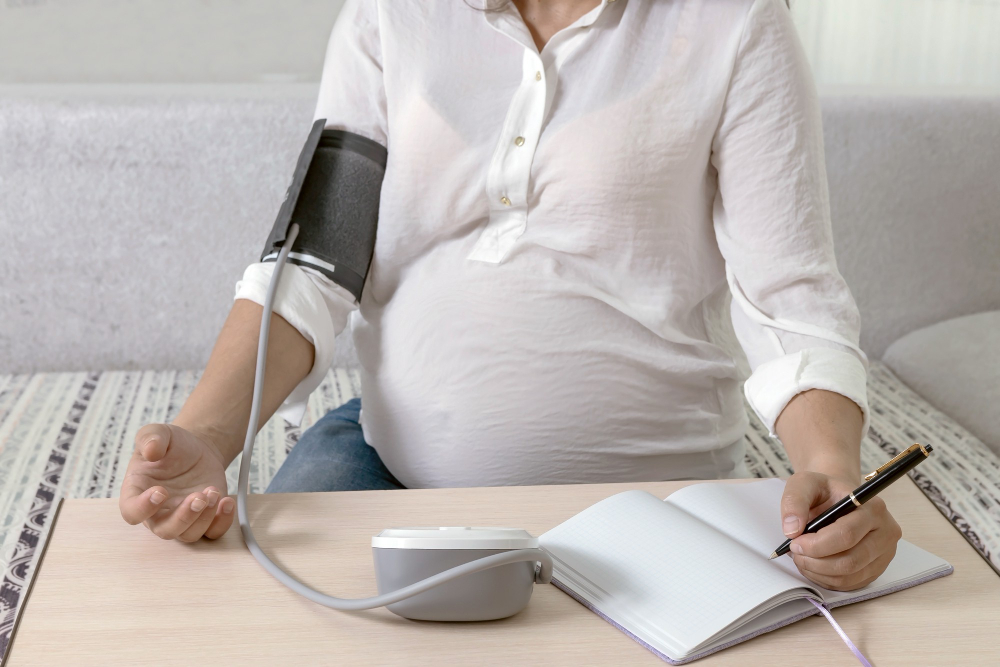
Preeclampsia is a health problem that can happen during pregnancy. It causes high blood pressure and can harm organs like the liver and kidneys. Usually, it starts after 20 weeks of pregnancy. If not treated, it can be dangerous for both mother and baby. Because of this, knowing the risk factors for preeclampsia is very important. Early action can help keep you and your baby safe.
Why Understanding Risk Factors Matters
Knowing who is at risk for preeclampsia helps you and your doctor watch for warning signs. For example, if you have certain risk factors, your doctor may check your blood pressure more often. This can lead to early treatment and better outcomes. In addition, understanding your risk can help you make healthy choices during pregnancy.
Major Risk Factors for Preeclampsia
Many things can raise your chances of getting preeclampsia. Below are the main preeclampsia risk factors you should know.
Age-Related Risks
Because age can affect your body, it is important to talk to your doctor if you are in these groups.
First-Time Pregnancy
First-time mothers are more likely to develop preeclampsia. Although doctors do not know the exact reason, your body may react differently during your first pregnancy. So, extra care is needed if you are expecting your first baby.
Multiple Pregnancies (Twins, Triplets, etc.)
If you are carrying twins, triplets, or more, your risk goes up. This is because your body works harder to support more than one baby. As a result, you may need more check-ups and tests.
Pre-Existing Health Conditions
If you have any of these conditions, your doctor will watch you closely. Early care can help prevent problems.
Family History and Genetics
Sometimes, preeclampsia runs in families. If your mother or sister had it, your risk is higher. Because genes play a role, share your family history with your doctor.
Obesity and Lifestyle Factors
However, making healthy changes can lower your chances of problems.
Ethnic and Geographic Considerations
Some groups, such as Black women in the US, have a higher risk for preeclampsia. The reasons are not always clear, but may include access to care and other health factors. Because of this, it is important to get regular prenatal care, no matter where you live.
How to Reduce Your Risk
Although you cannot change some risk factors, you can take steps to stay healthy. Here are some tips for preventing preeclampsia:
In addition, your doctor may suggest extra tests or medicine if you are at high risk. Early care can make a big difference.
When to Seek Medical Advice
It is important to know the warning signs of preeclampsia. Call your doctor right away if you notice:
Because preeclampsia can get worse quickly, do not wait to get help. Early treatment can protect you and your baby.
Conclusion
To sum up, knowing the risk factors for preeclampsia helps you take control of your health. If you are concerned about your risk for preeclampsia, consult your healthcare provider at Dr. Prashant Shukla’s Clinic for personalized advice.