
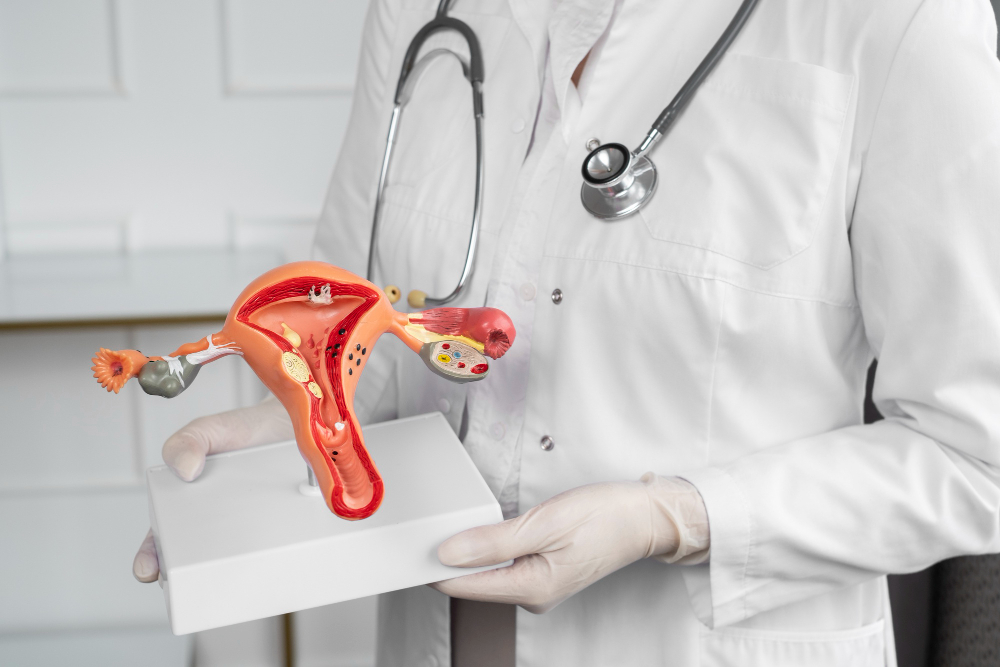
What Is Adenomyosis?
Adenomyosis is a condition where the tissue that lines the uterus grows into the muscle wall of the uterus. This can cause the uterus to become larger and lead to pain or heavy periods. Many women with adenomyosis feel discomfort, but some may not notice any symptoms at all. Although it is not life-threatening, adenomyosis can affect daily life and well-being. Understanding adenomyosis is important for finding the right treatment and support.
Common Symptoms of Adenomyosis
Symptoms of adenomyosis can vary from person to person. However, many women experience one or more of the following:
Sometimes, these symptoms can be mistaken for other health issues. Therefore, it is important to talk to a doctor if you notice any changes in your periods or pelvic pain.
How Is Adenomyosis Diagnosed?
Doctors use several methods to diagnose adenomyosis. First, they will ask about your symptoms and medical history. Next, a physical exam may be done to check for an enlarged or tender uterus. In addition, imaging tests like ultrasound or MRI can help doctors see changes in the uterus. Sometimes, other conditions like fibroids can look similar, so careful testing is needed. Although a biopsy is rarely needed, it may be used in some cases to rule out other problems.
Non-Surgical Treatment Options
Many women want to avoid surgery for adenomyosis. Thankfully, there are several non-surgical treatments that can help manage symptoms:
Because every woman is different, your doctor will help you choose the best treatment for your needs. According to the CDC and peer-reviewed studies, these options can improve quality of life for many women.
Tips for Managing Symptoms at Home
While medical treatments are important, you can also try these tips at home to feel better:
Additionally, managing stress through deep breathing or meditation can help reduce pain. If you notice your symptoms getting worse, contact your doctor right away.
Prevention and When to Seek Medical Help
Currently, there is no sure way to prevent adenomyosis. However, early treatment can help control symptoms and prevent complications. If you have heavy periods, severe cramps, or pelvic pain that does not improve, it is important to see a gynecologist. Early diagnosis can lead to better results and less discomfort. Moreover, if you feel weak, dizzy, or notice unusual bleeding, seek medical help as soon as possible.
Conclusion
Adenomyosis can be challenging, but many women find relief with non-surgical treatments and healthy habits. Remember, you do not have to manage symptoms alone. Consult Dr. Prashant Shukla for personalized advice on managing adenomyosis and improving your quality of life.