
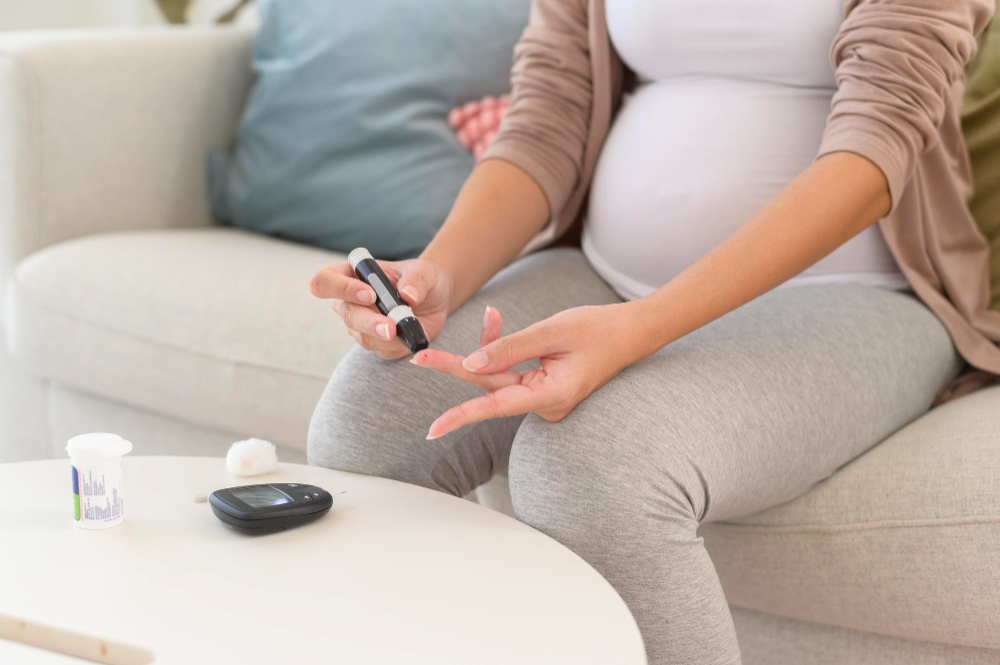
What is Fetal Hyperglycemia?
Fetal hyperglycemia means high blood sugar in a fetus. This condition can happen when a pregnant person has high blood sugar. Often, it is linked to gestational diabetes complications. Because high blood sugar can affect a baby’s growth, it is important to know the risks. Fetal health risks may include problems at birth or later in life. According to the CDC, managing blood sugar during pregnancy helps lower these risks.
Causes of Fetal Hyperglycemia
Several factors can lead to fetal hyperglycemia. Usually, the main cause is high blood sugar in the mother. However, other reasons can also play a role. For example, certain medical conditions or medications may increase risk. Here are some common causes:
Because these causes are often preventable, early care is important.
Symptoms and Signs
Fetal hyperglycemia does not always show clear signs. Yet, some symptoms may appear in the baby or the pregnant person. For instance, doctors may notice:
Sometimes, the mother may not feel any different. Therefore, regular check-ups are key.
Diagnosis and Screening
Doctors use several tests to check for fetal hyperglycemia. Usually, screening starts with the mother. For example, a glucose tolerance test checks the mother’s blood sugar. If results are high, doctors may monitor the fetus more closely. They might use:
Early diagnosis helps prevent serious problems. The WHO recommends regular screening for all pregnant people at risk.
Treatment Options
Treating fetal hyperglycemia focuses on controlling the mother’s blood sugar. Often, lifestyle changes are the first step. However, some people may need medicine. Treatment options include:
With proper care, most pregnancies have good outcomes.
Prevention Tips
Preventing fetal hyperglycemia starts before and during pregnancy. Here are some helpful tips:
Because prevention is easier than treatment, early action matters.
Lifestyle and Pregnancy Guidance
Making healthy choices during pregnancy can lower the risk of fetal hyperglycemia. For example, you can:
Moreover, always talk to your healthcare provider before making big changes.
When to Seek Medical Help
It is important to contact your doctor if you notice any unusual symptoms. For instance, if you feel very thirsty, tired, or notice changes in fetal movement, seek help. Also, if you have a history of diabetes or high blood sugar, regular check-ups are vital. Early care can prevent serious problems for both mother and baby.
In summary, fetal hyperglycemia is a serious but manageable condition. Consult Dr. Prashant Shukla for personalized advice on fetal hyperglycemia.