Introduction to Food Poisoning
Food poisoning is a common illness caused by eating contaminated food. It can affect anyone, but pregnant women and young children are at higher risk. Because food poisoning can lead to serious problems, it is important to know the signs and how to prevent it. According to the CDC, millions of people get food poisoning each year. However, most cases are mild and get better on their own. Still, some cases need medical care, especially during pregnancy.
Symptoms of Food Poisoning
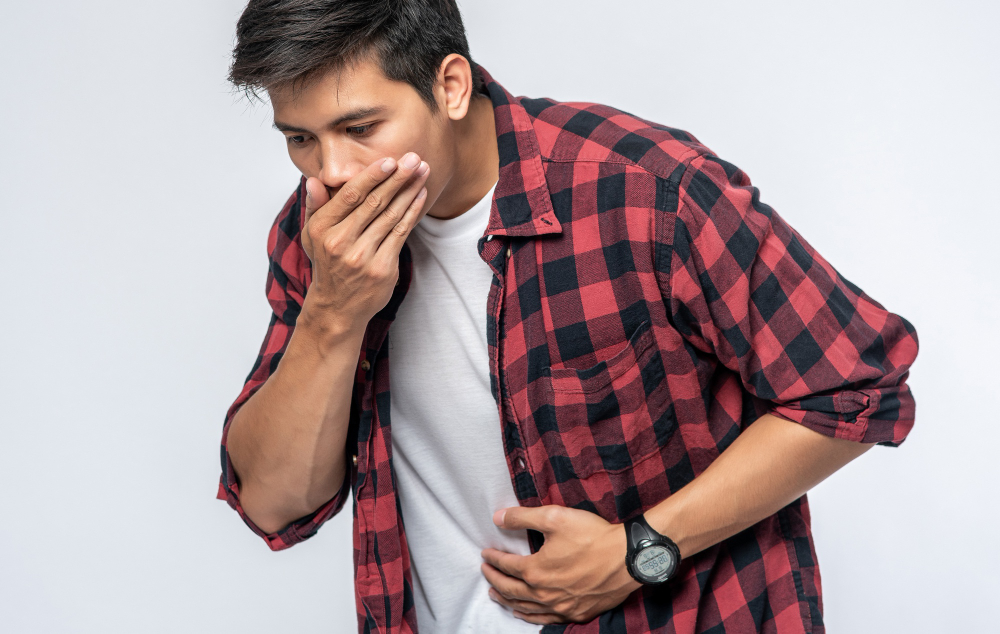
Food poisoning symptoms can appear within hours or days after eating bad food. Usually, symptoms are mild, but sometimes they can be severe. For example, pregnant women may have a higher risk of dehydration or complications. Common symptoms include:
Sometimes, symptoms like blood in stool, high fever, or severe dehydration can occur. In these cases, seek medical help right away.
Causes of Food Poisoning
Food poisoning happens when you eat food or drink water that has harmful germs. These germs can be bacteria, viruses, or parasites. For instance, common causes include:
Additionally, food can become unsafe if it is not cooked well, stored at the wrong temperature, or handled with dirty hands. Pregnant women should be extra careful, as some germs can harm the baby.
Diagnosis of Food Poisoning
Doctors usually diagnose food poisoning based on your symptoms and recent food history. Sometimes, they may ask about what you ate or if others are sick too. In some cases, tests may be needed. For example, your doctor might order:
However, most mild cases do not need special tests. If you are pregnant, your doctor may check for specific germs like Listeria, as these can be more dangerous.
Treatment for Food Poisoning
Most people recover from food poisoning at home. The main goal is to stay hydrated and rest. However, some people, especially pregnant women, may need medical care. Here are some treatment tips:
Sometimes, your doctor may give medicine for nausea or diarrhea. But, antibiotics are only used if a specific germ is found. If you have signs of dehydration, high fever, or blood in your stool, seek medical help right away. Pregnant women should contact their doctor if they have any symptoms of food poisoning.
How to Prevent Food Poisoning
Prevention is the best way to avoid food poisoning. Simple steps can keep you and your family safe. For example, you can:
In some areas, food safety can be a bigger concern. Therefore, always check local health advice, especially when traveling or during pregnancy.
Lifestyle Guidance for Pregnant Women
Pregnant women need to be extra careful to avoid food poisoning. Because some germs can harm the baby, it is important to follow these tips:
Moreover, always eat freshly prepared food and avoid leftovers that have been stored too long. If you feel sick or have any symptoms, contact your healthcare provider right away.
Conclusion
Food poisoning can be serious, especially for pregnant women and young children. However, most cases are mild and get better with rest and fluids. By following simple steps, you can lower your risk. If you have severe symptoms or are pregnant, consult a healthcare specialist Dr. Prashant Shukla for personalized advice on food poisoning.